MENU 

Explore our Eco-Pedia board for comprehensive insights into vacuum evaporation
a world of information awaits you!
 Fouling
The most significant factor impacting heat exchange efficiency is fouling. Concentrated fluid undergoing evaporation can precipitate salts or deposit various substances on heat exchange surfaces.
Key factors influencing fouling include:
Attention to these factors is crucial, as high fouling reduces the efficiency of the evaporation-concentration process.
Methods for minimizing fouling in vacuum evaporators include:
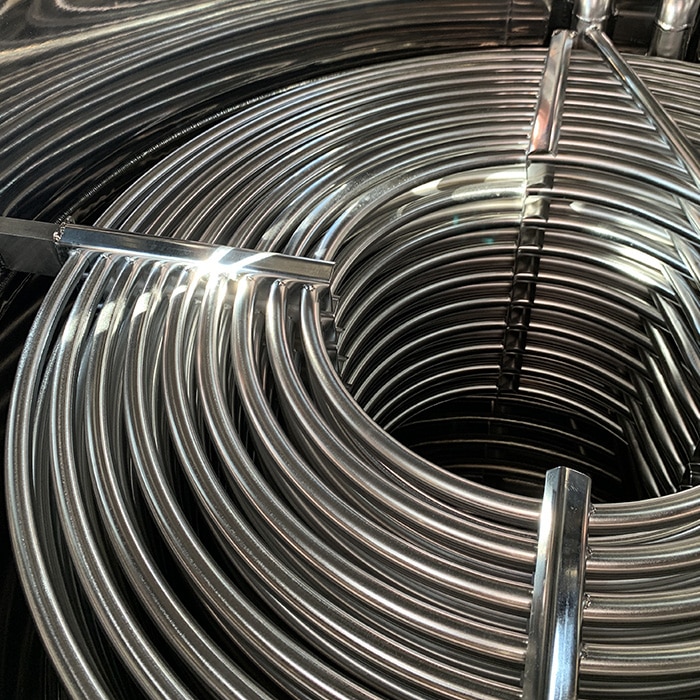
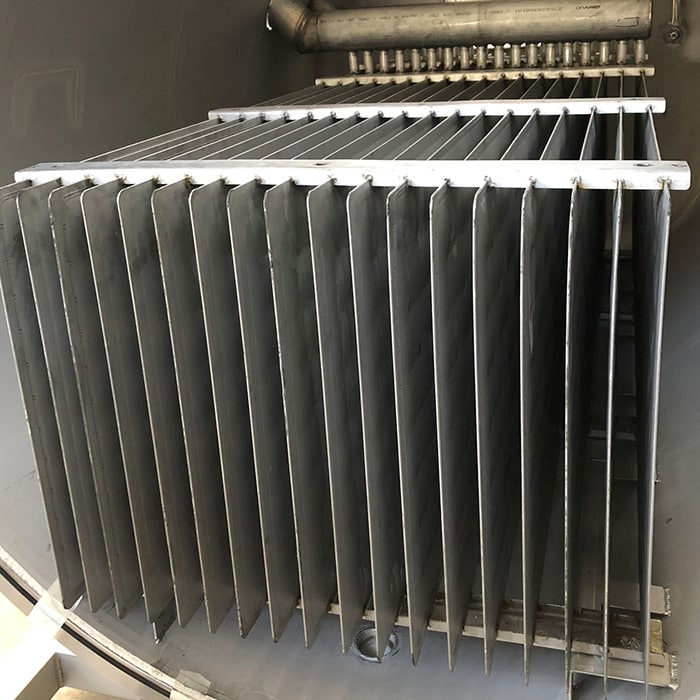
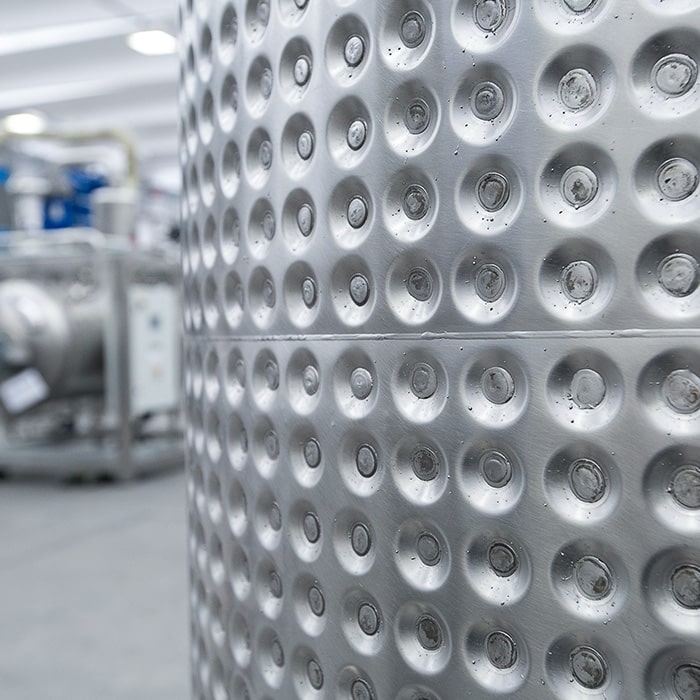
Types of heat exchangersIn a vacuum evaporator, the heat necessary for the evaporation of the solution to be treated (latent heat of evaporation) is transferred through a specific heat exchanger. There are various types of exchangers:
Depending on the type of liquid to be treated (fouling, possible salt precipitations, etc.) and the goal to be achieved (liquid, solid, or semi-solid concentrate), certain types of exchangers are more suitable than others.

 Heat exchange
 occurs through three mechanisms:
In a vacuum evaporator, heat necessary for liquid evaporation comes primarily through conduction, where the liquid contacts a heated metal surface directly. The heat transfer depends on factors such as surface area, thermal gradient (delta T), material properties, fouling, and surface geometry, inversely proportional to surface thickness.
Transitioning 1 kg of water from room to boiling temperature and vapor phase under atmospheric pressure (101 kPa) demands about 2500 kJ (approximately 700 Wh) , typically lost without condensation heat recovery. Vacuum evaporation systems recycle this energy within the cycle, minimizing water evaporation energy consumption. Various technologies achieve this:
Such approaches can reduce energy consumption by around 25 times compared to atmospheric evaporation.
Vacuum evaporationEvaporation, a natural process, is harnessed industrially to separate water from high-boiling pollutants like oils, salts, and metals.
Operating under vacuum conditions is preferred due to the lower pressure, which reduces the boiling temperature of water, resulting in significant energy savings compared to atmospheric pressure evaporation.

In the evaporator, the liquid undergoes evaporation and condensation, leading to the production of a purified, reusable stream called “distillate,” typically comprising 95-98% of the total volume, and a minimal waste fraction known as “concentrate.”
Operational parameters such as temperature, pressure, heat exchange methods, and energy input vary based on the type of vacuum concentrator employed.
Our certified evaporators and high-quality materials ensure superior results, guaranteeing efficiency and reliability in wastewater treatment processes.
Our products and our raw materials are certified and guarantee high-quality results.