


MENU 


Galvanic technology involves processes carried out with aqueous solutions, containing metal salts, acids, bases, detergents, and specific additives, performed in sequence tanks at a temperature close to ambient.
The process tanks are always followed by washing tanks to remove the residues of the process solutions that remain adherent to the parts to be treated.
This results in the production of large quantities of aqueous effluents to be disposed of, which can be divided into:
The composition of the effluents is characterized by the presence of metals (lead, iron, copper, nickel, zinc, aluminum, etc.), ammoniacal compounds, chlorides, cyanides, fluorides, insoluble organic substances.
These elements, if sent to traditional purification plants using a physicochemical process, are difficult to manage: during treatment, it is necessary to add reagents for pH correction and flocculants for the precipitation of hydroxides, thus producing sludge that will need to be disposed of.
Even if reduced in a filter press, these sludges have very high disposal costs.
The most effective method is vacuum evaporation, which allows reducing the volumes of the effluent, enabling the recovery of most of the treated water in a closed circuit. (ZLD)
→ The system is fully automated
→ Does not require dosing of chemical products
→ Does not produce sludge
→ Allows the recovery of treated water in a closed circuit (ZLD)
→ Also allows the recovery of the concentrate
→ Does not produce discharges with traditional systems
→ Reduces disposal costs
Our sales department is at your disposal for advice in choosing the best possible solution. Or download the data sheet to learn more.
Process: Galvanization
Water to be treated: Post-physicochemical rinse waters
Challenge: Inability to comply with discharge limits, forcing the allocation of wastewater to be of disposal.
Solution: Thermal evaporator model ECO DPM3
Advantages: Recovery of the distillate in the production process, reduction of disposal costs by more than 20 times, energy efficiency thanks to the hot water supplied by a cogenerator.
Process: Drug and vaccine production.
Waters to be treated: washing waters of mixers and reactors containing active ingredients and other complex organic molecules.
Challenge: need to remove APIs present in the waters for discharge.
Solution: Thermal evaporator model ECO DPM2
Advantages: Removal of active ingredients and other complex molecules by over 99%, distillate quality suitable for both discharge and reuse, automated management.

Process: Production of cleaning and personal care products.
Water to be treated: Washing waters containing surfactants and various organic substances.
Challenge: reduction of excessively high disposal costs.
Solution: Mechanical vapor recompression evaporator model ECO CMV.
Advantages: Reduction of disposal costs by more than 10 times, total elimination of surfactants, obtaining a high-quality distillate suitable for both discharge and reuse.

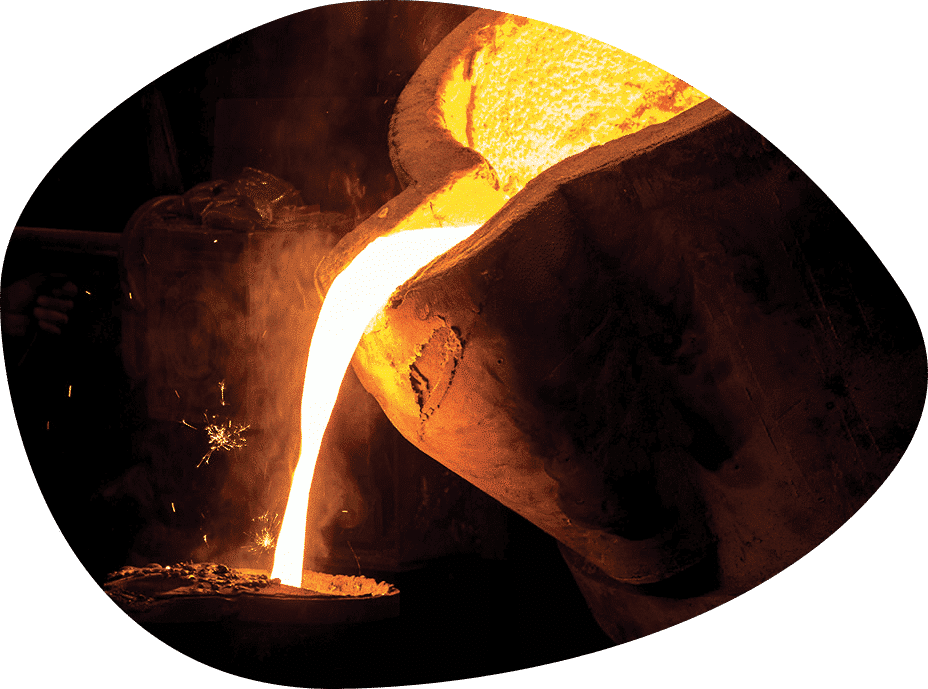
Process: aluminum die casting
Water to be treated: Emulsions with release agent
Challenge: Need to reduce disposal costs and achieve total recovery of treated waters.
Solution: Thermal evaporator model ECO DPM3
Advantages: Distillate recovery over 95%, reduction in disposal costs, reduction in the amount of water drawn from the network. Extremely simple evaporator management and minimal maintenance.
Process: flexo printing.
Water to be treated: Washings containing inks.
Challenge: reduction of excessively high disposal costs and possibility of recovering water in a closed circuit.
Solution: scraped heat pump evaporator model ECO VR-HP.
Advantages: Disposal cost reduction by more than 10 times, 90% of waters recovered in the process.

Process: Wastewater from waste disposal contractors
Water to be treated: Liquid wastes from various CER codes
Challenge: Need for a reliable and versatile technology for those effluents not treatable with traditional chemico-physical, biological, or membrane plants.
Solution: Thermal evaporator model ECO DPM SE, scraped thermal evaporator model ECO VR-WW.
Advantages: Ability to collect and treat larger volumes and types of effluents than before.

Process: Photoengraving and lithography.
Water to be treated: Acidic and alkaline rinse waters.
Challenge: reduction of excessively high disposal costs.
Solution: heat pump evaporator mod. ECO VS-HP.
Advantages: Disposal cost reduction by more than 10 times, total recovery of treated waters in the production cycle.

Process: waste disposal.
Water to be treated: Saline solution with high NaCl concentration.
Challenge: Need to separate the salt from the water, thus turning a waste into a by-product.
Solution: Thermal evaporator model ECO DPM SE plus centrifuge.
Advantages: Profit generated from obtaining a salt that can be resold as a by-product, elimination of disposal costs.

Process: cataphoresis and industrial painting.
Water to be treated: Rinse waters from degreasing and phosphatizing processes.
Challenge: reduction of excessively high disposal costs, need to recover water in a closed circuit.
Solution: heat pump evaporator mod. ECO VS-HP.
Advantages: Disposal cost reduction by more than 20 times, total recovery of treated waters in the production cycle, cleaner process tanks.

Process: Steel heat treatment.
Water to be treated: Aqueous solution from the cooling phase rich in glycol.
Challenge: Recovery of glycol for reuse.
Solution: Thermal evaporator model ECO DPM1
Advantages: ZLD system, total recovery of distillate and concentrate, energy efficiency thanks to the thermal waste recovery.
