


MENU 



Biogas is generated through fermentation in the absence of oxygen (anaerobic digestion) of substances of animal and/or plant origin. In biodigesters, the organic fraction present in biomass is transformed into biogas through the action of microorganisms. Subsequently, the biogas can be turned into biomethane, or it can go to a cogenerator for electricity and heat production.
The process generates an effluent, digestate, a rather dense and concentrated aqueous solution that contains mainly ammonia nitrogen, COD/BOD, phosphorus, and heavy metals.
A fairly common practice is the field spreading of digestate; however, regulations do not always permit its spreading on farmland. If not properly distributed, digestate can become harmful because it can generate nitrate losses to water (if it is applied at inappropriate times and doses are exceeded), or it can generate ammonia emissions to the atmosphere.
It is also an expensive activity because it requires large available area and is, in the long term, highly polluting to the aquifer.
Vacuum evaporation is among the most effective emerging technologies for the treatment of agricultural digestate or Forsu, because it yields a concentrated fraction that can be enhanced as a fertilizer.
→ The production of a concentrated fraction that can be enhanced as a fertilizer
→ In combination with reverse osmosis, water suitable for irrigation is obtained
→ Drastic reduction in disposal costs
→ Good recovery of water volumes
Our sales department is at your disposal for advice in choosing the best possible solution. Or download the data sheet to learn more.
Process: Galvanization
Water to be treated: Post-physicochemical rinse waters
Challenge: Inability to comply with discharge limits, forcing the allocation of wastewater to be of disposal.
Solution: Thermal evaporator model ECO DPM3
Advantages: Recovery of the distillate in the production process, reduction of disposal costs by more than 20 times, energy efficiency thanks to the hot water supplied by a cogenerator.

Process: Drug and vaccine production.
Waters to be treated: washing waters of mixers and reactors containing active ingredients and other complex organic molecules.
Challenge: need to remove APIs present in the waters for discharge.
Solution: Thermal evaporator model ECO DPM2
Advantages: Removal of active ingredients and other complex molecules by over 99%, distillate quality suitable for both discharge and reuse, automated management.

Process: Production of cleaning and personal care products.
Water to be treated: Washing waters containing surfactants and various organic substances.
Challenge: reduction of excessively high disposal costs.
Solution: Mechanical vapor recompression evaporator model ECO CMV.
Advantages: Reduction of disposal costs by more than 10 times, total elimination of surfactants, obtaining a high-quality distillate suitable for both discharge and reuse.

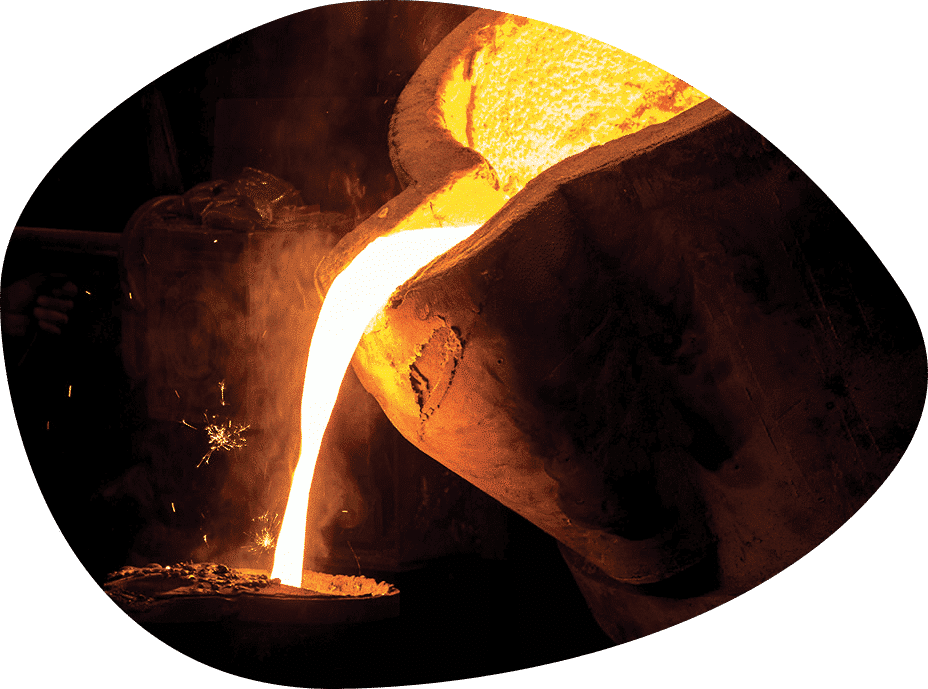
Process: aluminum die casting
Water to be treated: Emulsions with release agent
Challenge: Need to reduce disposal costs and achieve total recovery of treated waters.
Solution: Thermal evaporator model ECO DPM3
Advantages: Distillate recovery over 95%, reduction in disposal costs, reduction in the amount of water drawn from the network. Extremely simple evaporator management and minimal maintenance.
Process: flexo printing.
Water to be treated: Washings containing inks.
Challenge: reduction of excessively high disposal costs and possibility of recovering water in a closed circuit.
Solution: scraped heat pump evaporator model ECO VR-HP.
Advantages: Disposal cost reduction by more than 10 times, 90% of waters recovered in the process.

Process: Wastewater from waste disposal contractors
Water to be treated: Liquid wastes from various CER codes
Challenge: Need for a reliable and versatile technology for those effluents not treatable with traditional chemico-physical, biological, or membrane plants.
Solution: Thermal evaporator model ECO DPM SE, scraped thermal evaporator model ECO VR-WW.
Advantages: Ability to collect and treat larger volumes and types of effluents than before.

Process: Photoengraving and lithography.
Water to be treated: Acidic and alkaline rinse waters.
Challenge: reduction of excessively high disposal costs.
Solution: heat pump evaporator mod. ECO VS-HP.
Advantages: Disposal cost reduction by more than 10 times, total recovery of treated waters in the production cycle.

Process: waste disposal.
Water to be treated: Saline solution with high NaCl concentration.
Challenge: Need to separate the salt from the water, thus turning a waste into a by-product.
Solution: Thermal evaporator model ECO DPM SE plus centrifuge.
Advantages: Profit generated from obtaining a salt that can be resold as a by-product, elimination of disposal costs.

Process: cataphoresis and industrial painting.
Water to be treated: Rinse waters from degreasing and phosphatizing processes.
Challenge: reduction of excessively high disposal costs, need to recover water in a closed circuit.
Solution: heat pump evaporator mod. ECO VS-HP.
Advantages: Disposal cost reduction by more than 20 times, total recovery of treated waters in the production cycle, cleaner process tanks.

Process: Steel heat treatment.
Water to be treated: Aqueous solution from the cooling phase rich in glycol.
Challenge: Recovery of glycol for reuse.
Solution: Thermal evaporator model ECO DPM1
Advantages: ZLD system, total recovery of distillate and concentrate, energy efficiency thanks to the thermal waste recovery.
